 ENGAGEMENT DRIVES RESULTS!
Understanding Vinyl Cold Cracking
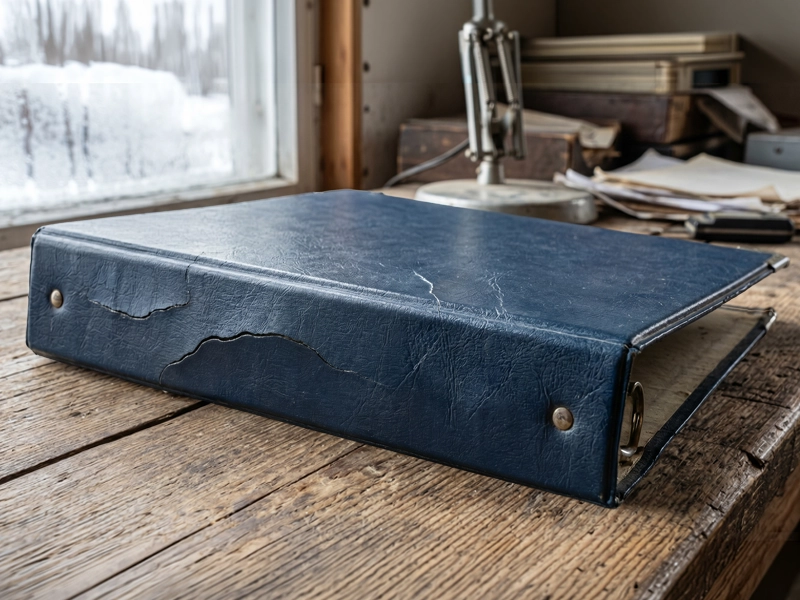
Vinyl cold cracking is a well-documented material behavior that can occur when products—such as vinyl binders—are exposed to low temperatures. While it may appear to be a product defect, cold cracking is actually the result of environmental conditions acting on the material.
What is cold cracking?
Cold cracking occurs when vinyl becomes rigid and loses flexibility due to prolonged exposure to cold temperatures. In this state, the material is more susceptible to cracking, splitting, or breaking. This effect is often referred to as impact cracking because damage frequently appears during handling.
Why cold cracking happens
Vinyl shrinks as temperatures drop. The vinyl covering and internal chipboard core can shrink at different rates, creating internal stress. At the same time, the material becomes brittle. When stress exceeds flexibility, cracking occurs.
The role of handling and impact
Cracking often occurs when cold products are handled, dropped, or flexed. Shipping movement, vibration, and stacking increase the likelihood of visible damage.
Why shipping increases risk
Shipping exposes products to prolonged cold and repeated handling. Trucks and warehouses are typically not climate-controlled, making winter shipments especially vulnerable.
Is cold cracking a defect?
Cold cracking is a physical response to temperature shifts, not a manufacturing or workmanship flaw.
Near-freezing temperatures cause vinyl to lose flexibility and become brittle; damage occurs when binders are impacted, flexed, or dropped.
At Binders Inc., we monitor “deep freeze” weather patterns across shipping lanes and will proactively transition smaller orders from ground shipping to palletized freight or enhance thermal packaging to mitigate transit risks.

Quality Control Report: Binders Inc. Achieves 4.5 Sigma Performance
With a 4.5 Sigma rating and a 99.937% success rate, Binders Inc. proves that large-scale manufacturing can deliver elite-level precision.
How to prevent cold cracking
To prevent cold cracking, vinyl products should be stored in climate-controlled environments using protective packaging, and shipments should be delayed during extreme cold when possible. After delivery, you should allow products to acclimate to room temperature for 12–24 hours before handling.
What we do
Binders Inc. takes several proactive steps to minimize the risk of cold cracking and ensure product quality, including:
- Lowering our LTL freight threshold to move smaller orders onto pallets, avoiding the high-impact “automated touches” of standard parcel sorting
- Using protective packaging, including shrink wrap, padding, and palletization when appropriate
- Monitoring weather conditions and adjusting shipping schedules during extreme cold
- Storing all products in climate-controlled facilities
- Clearly communicating handling guidelines to customers
- Replacing product we determined has been damaged by cold cracking
- Continuously evaluating materials and processes to improve cold-weather performance
Don’t be left out in the cold! Order custom vinyl binders with confidence from Binders Inc.
Cold cracking results from environmental exposure combined with material properties—not a manufacturing flaw. Proper handling and temperature awareness significantly reduce risk.
At Binders Inc., we offer a wide range of products, including custom binders, specialty packaging, diploma covers, and more.
We stand by all of our products and replace any product damaged by cold cracking, so you can order with confidence knowing your investment is protected—even in the toughest shipping conditions.
If you have questions about cold-weather shipping, packaging options, or timing your order, our team is here to help you plan ahead. Contact us today.