 ENGAGEMENT DRIVES RESULTS!
Embossing versus Debossing
Discover the power of embossing and debossing and the pros and cons for each
When it comes to creating custom binders that truly represent your brand, embossing and debossing are two techniques that can add a unique and professional flair. Whether you want a bold, raised design that stands out or a subtle, recessed look for understated elegance, these methods can elevate your binders and make a lasting impression.
In this article, we’ll break down the differences between embossing and debossing and explore their individual pros and cons to help you decide which option is right for your project or business.
At Binders Inc., we’re pleased to offer free design assistance, so you’ll have all the support you need to create binders that perfectly match your vision.
What’s the difference between embossing and debossing?
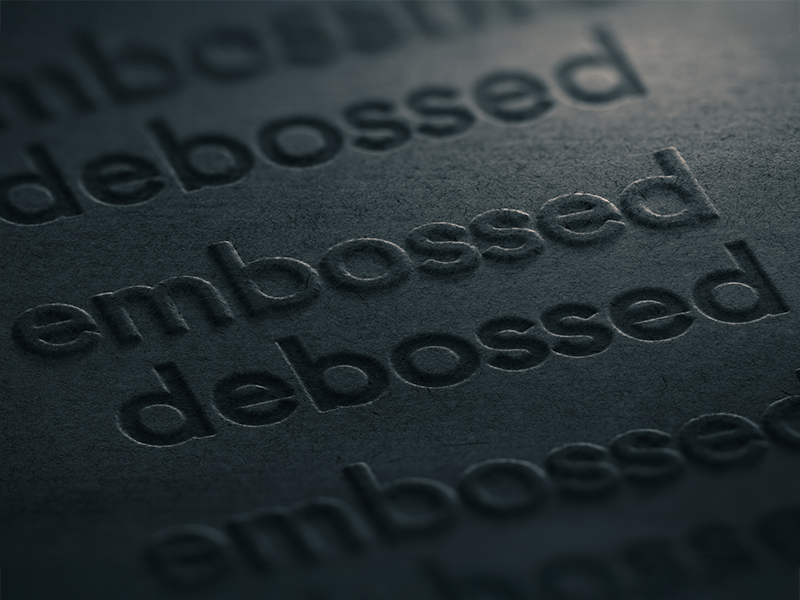
Embossing and debossing are each popular techniques used to add texture, depth, and extra details to printed materials, like business cards or binders. Each technique creates a unique and tactile product, elevating its look and creating a sense of personality.
While both processes involve altering a product to create raised or recessed designs, they differ in execution and appearance.
What is embossing?
Embossing is a way to make a design, like a logo or text, stand out by raising it above the surface of a material. It’s created with stamp-like molds that push the design up so you can see and feel it.
This is often done on things like binder covers to give them a more professional, high-end look.
What is debossing?
Debossing is the opposite of embossing. Instead of a raised design, it presses the design down into the surface of the material, acting like a stamp that pushes a logo or text into a binder cover, creating a visual and textured design that you can see and feel.
Debossing adds a subtle, classy touch that works well for businesses like hotels, restaurants, or corporate offices looking to create custom binders with a sleek, understated style.
All in all, both embossing and debossing turn plain binders into refined branding tools, adding both texture and style. These techniques elevate your binders from simple storage to powerful brand marketing. Whether you’re going for bold and modern or classic and elegant, embossing and debossing offer flexible options to perfectly reflect your binder needs.
6 factors that go into making a high-quality custom binder
Expert advice on what to consider when choosing custom binders for your business.
What are the advantages and disadvantages of embossing and debossing?
When choosing between embossing and debossing for custom binders, think about how you want your binders to look and feel and what would work best for your brand. Both add a unique touch, but they each have their pros and cons. The right choice often comes down to the style and impact you’re going for.
Advantages of embossing
Embossing offers a unique, professional, and personalized feel. Here’s what makes it a great choice:
- Enhances branding with a raised, eye-catching design that feels premium.
- Creates a tactile experience, making binders more memorable and engaging.
- Works especially well with foil stamping to enhance visibility and elegance.
- Communicates a sense of luxury and professionalism, ideal for a high-end feel.
Disadvantages of embossing
There are also some negatives to consider with embossing, including:
- Typically more expensive due to the specialized tools and processes required.
- Limited to certain materials that can withstand the embossing process.
- May not be as durable over time, especially with heavy use or handling.
- The raised design can make stacking or storage slightly less practical.
Advantages of debossing
Debossing, although similar in technique, offers an entirely different feel. Its strengths include:
- Creates a sleek, subtle, and professional look that works well for understated branding.
- Durable design, as the indented area is less likely to wear down with use.
- Can be used on a wider range of materials, including soft and thick surfaces, making it versatile for different binder styles.
- Works well with ink or foil stamping to create contrast and enhance the effect.
Disadvantages of debossing
Similar to embossing, debossing has some drawbacks to consider, including:
- The indented design may be less noticeable compared to embossing.
- May not work well on very textured surfaces or with intricate designs, as details could be lost.
- May require additional finishes like foil or color fills to stand out visually.
- Like embossing, it can increase production costs due to the specialized tools and processes involved.
When choosing between embossing and debossing, the right choice ultimately depends on the style, feel, and practicality you want for your binders. By carefully considering your branding goals and needs, you can select the perfect finishing touch to elevate your custom binders and leave a lasting impression.
Check out some foil and emboss projects we’ve done for our clients!
Are you ready to elevate your business or brand? Binders Inc. can help!
If you’re thinking about adding embossing or debossing to your custom binders, Binders Inc. can work with you to ensure your binders perfectly reflect your brand’s style and purpose.
Whether you’re creating elegant binders for a hotel, fun and functional binders for a pet business, practical binders for education or retail, or anything in between, we’ve got you covered.
Take advantage of our free design assistance to ensure your binders are tailored perfectly to your needs. Call or contact us online today to discover how Binders Inc. can help your business stand out with customized embossed or debossed binders.